
The Three Sisters Garden
Growing for cultural revitalization, food sovereignty, and ecological balance
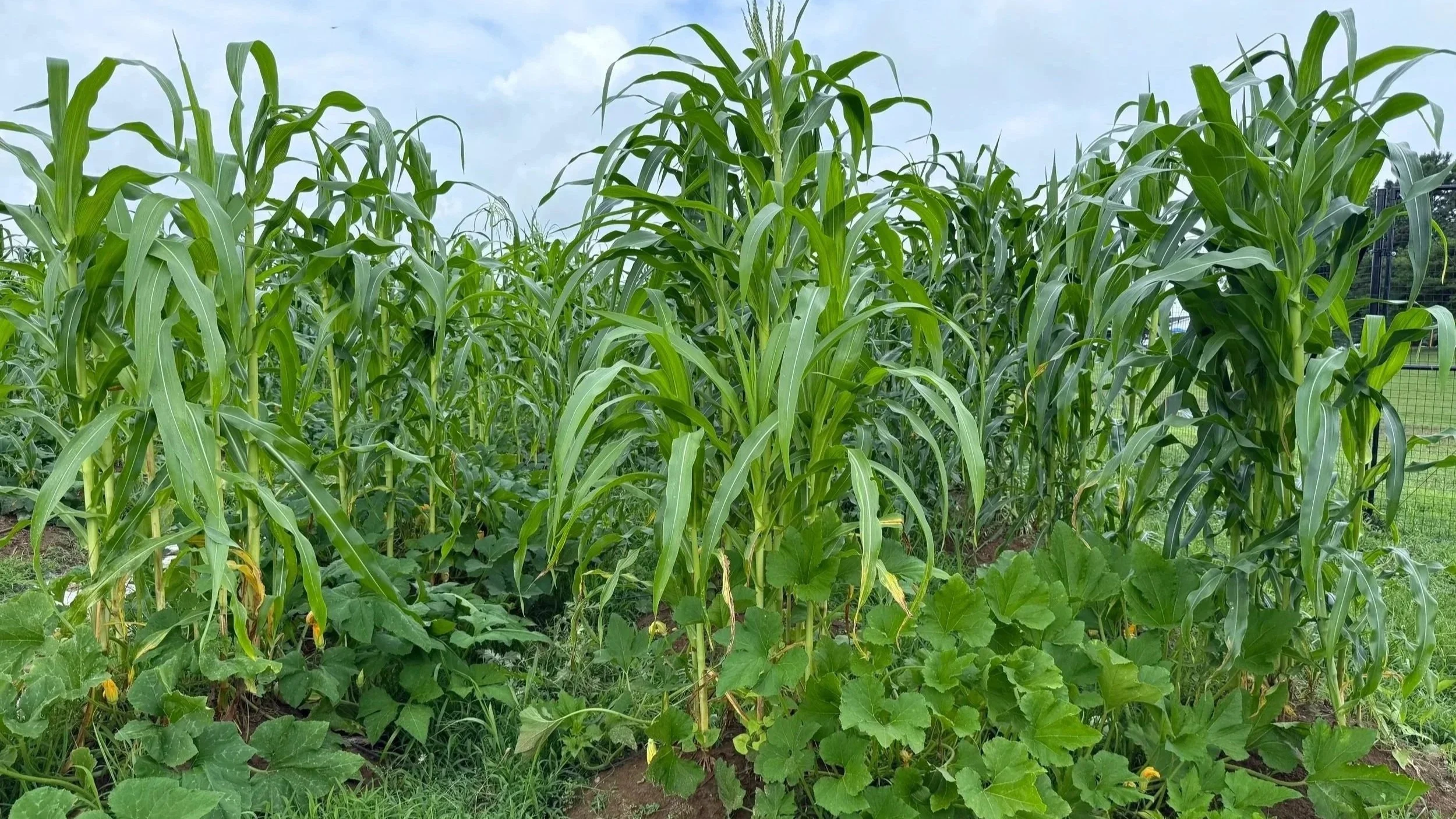
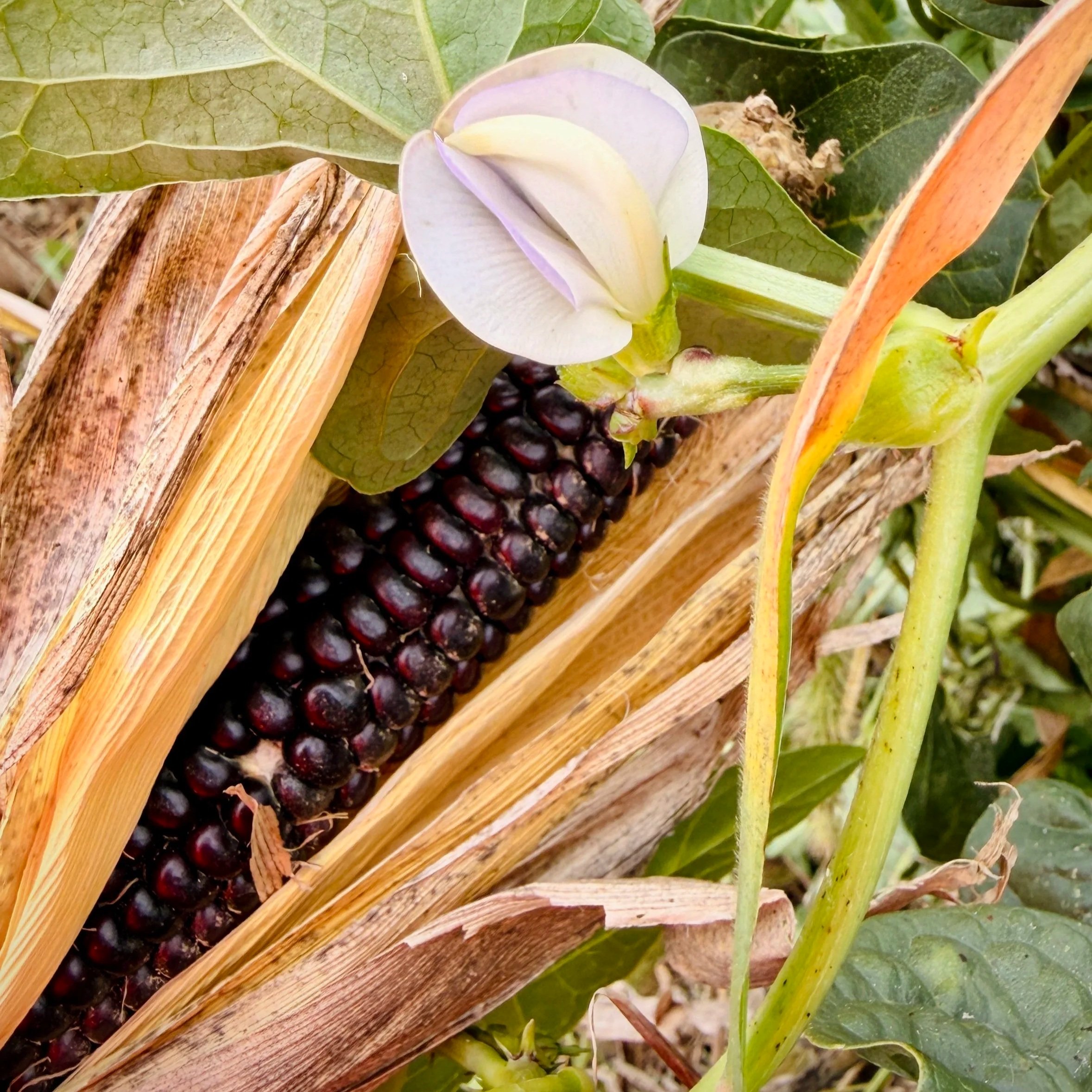
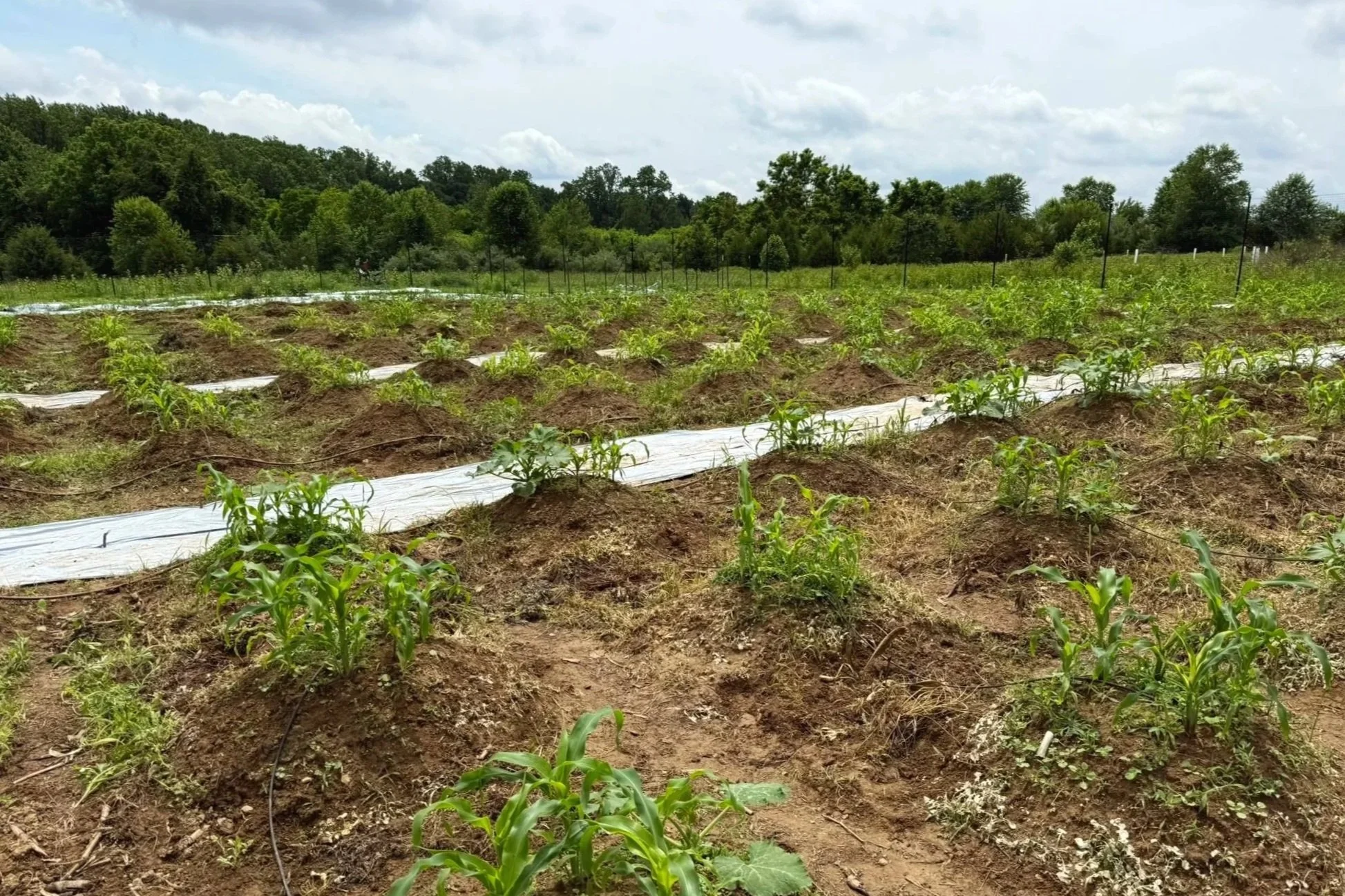
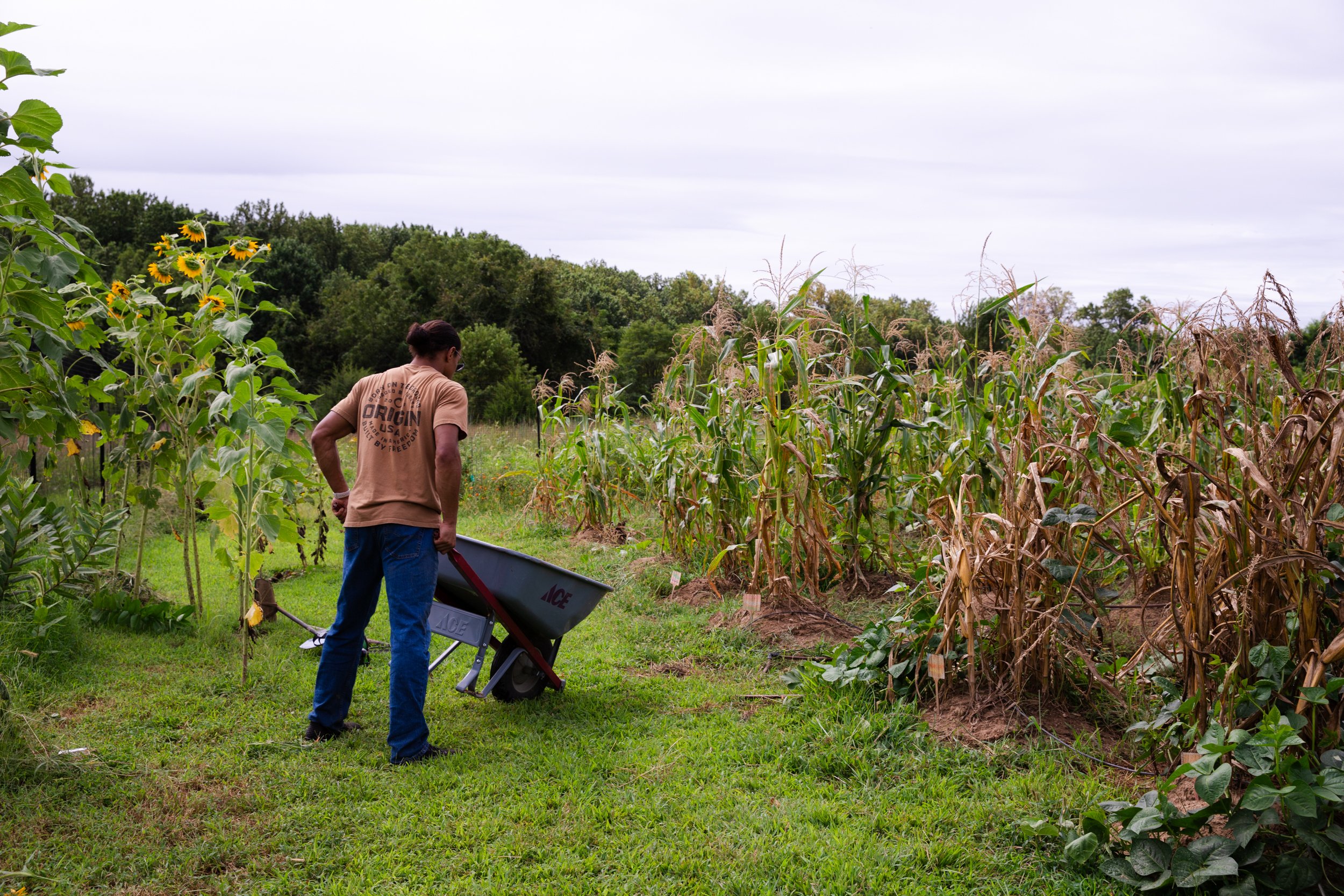
The bedrock of NRFF’s programming is The Three Sisters Garden. In Middletown, DE on less than a quarter-of-an-acre of land, across 255 mounds, we cultivate Lenape and Nanticoke varieties of Corn, Beans, and Squash —The Three Sisters. These ancestral crops embody cultural identity, ecological balance, and food sovereignty. The Three Sisters Garden is the first time that these ancestral plants have been grown together, grown in their ancestral soils, and grown and savored by their human relatives in decades if not generations.
The garden is an act of Indigenous sovereignty. For Indigenous community members it revitalizes our relationship with our ancestral soils, decolonizes our diets, restores ancestral foodways, and uplifts Native visibility. The garden is an NRFF-led partnership between St. Andrew’s School, The Seed Farm at Princeton, The University of Delaware, the Experimental Farm Network, and members of the Nanticoke Tribe. We sow, tend, and harvest The Three Sisters alongside tribal members, community partners, interns, and volunteers. Our time together nurtures seeds, stories, and community.
The Three Sisters Practice
The “Three Sisters” is a Haudenosaunee term for growing Corn, Beans, and Squash together. These plants work symbiotically to support each other and nourish us.
According to the Haudenosaunee, during a long and hungry winter three beautiful women appeared on a snowy night. The community had little food, but fed their guests. After the meal, the three visitors revealed their true identities as Corn, Beans, and Squash. The sisters gave themselves to the people so that they would never have another hungry winter.
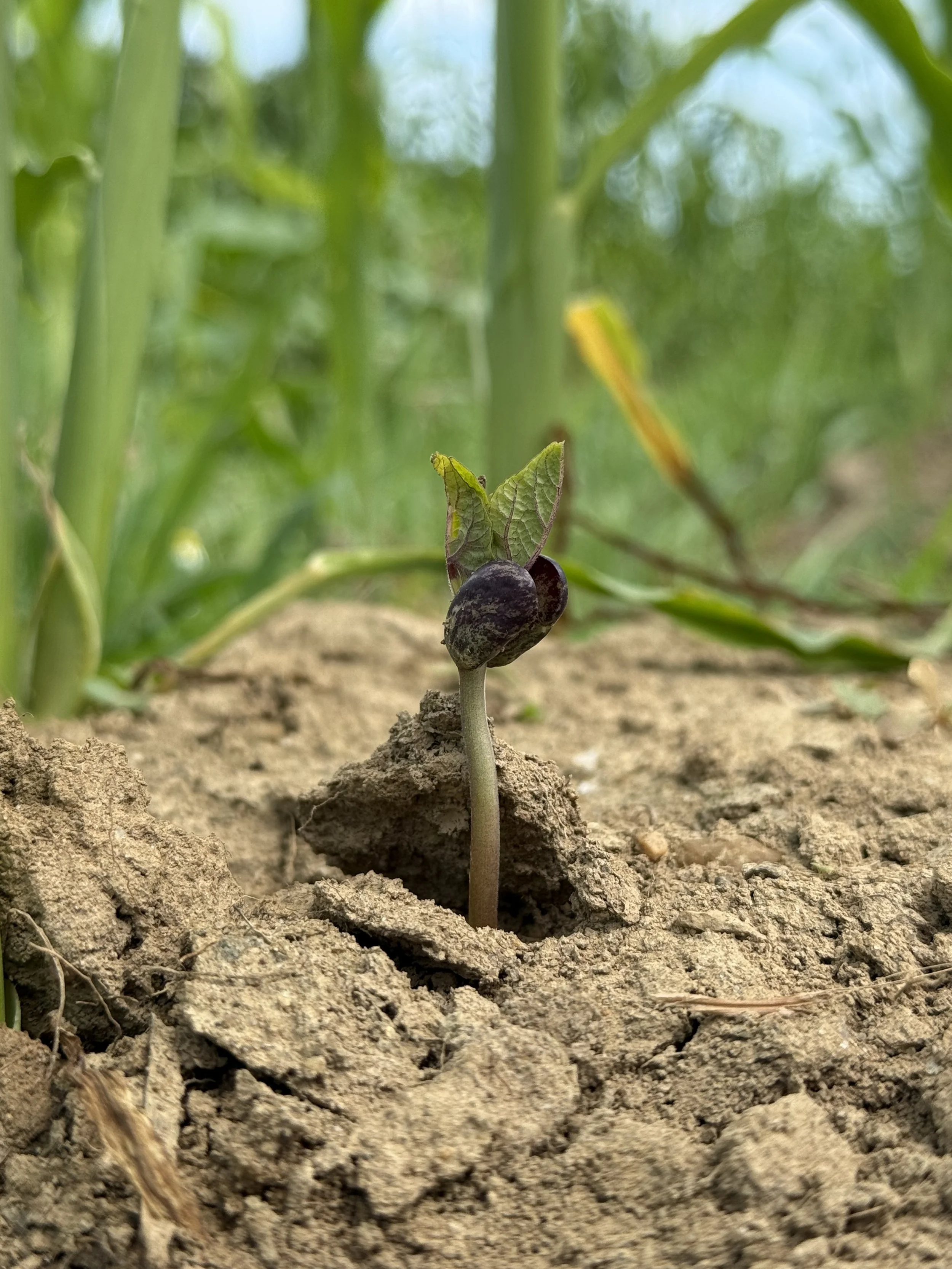
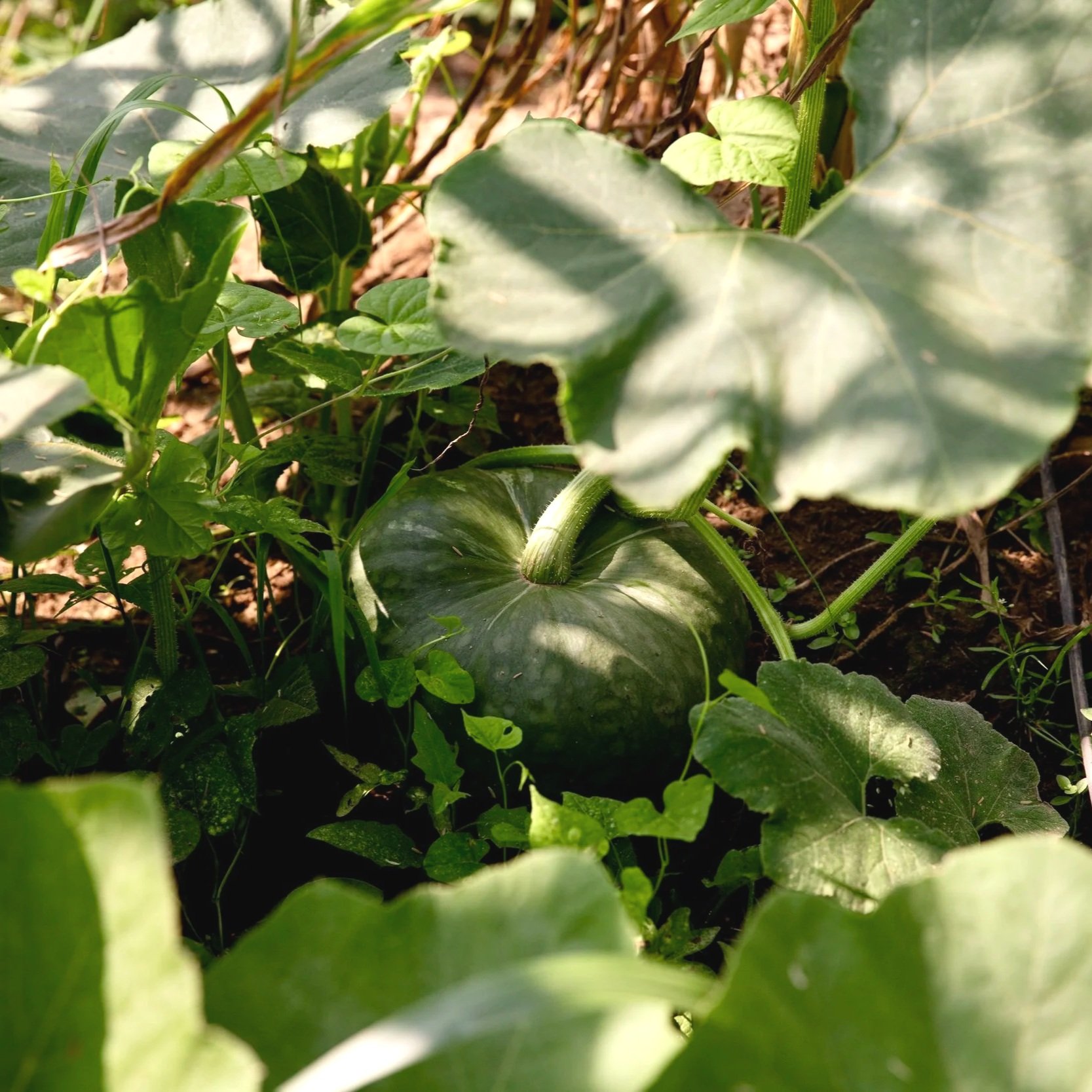
Corn grows tall - as much as six inches in a single day! - and her younger sister, Beans, uses her stalk as a pole. Beans also stabilizes Corn’s shallow roots and adds nitrogen, a vital nutrient, to the soil. Squash grows along the ground to prevent weeds and help her sisters’ roots retain moisture.
For centuries, Native women have planted these three seeds together. A Three Sisters garden will grow more food, acre for acre, than each crop in its own row. And, a diet of Corn, Beans, and Squash is balanced and absolutely delicious as succotash. These crops are perfect for tacos, stews, or salads.
How to Say The Sisters’ Names
Since time immemorial, Nanticoke and Lenape people have called the area that we now know as Delaware “home”. In the garden, we recognize The Sisters in their first languages – Nanticoke and Unami Lenape.
Learn to say their names with us using the recordings below! These language guides were graciously created by anthropologist, language revitalization advocate, and NRFF board member, Dr. Karelle Hall (Nanticoke).
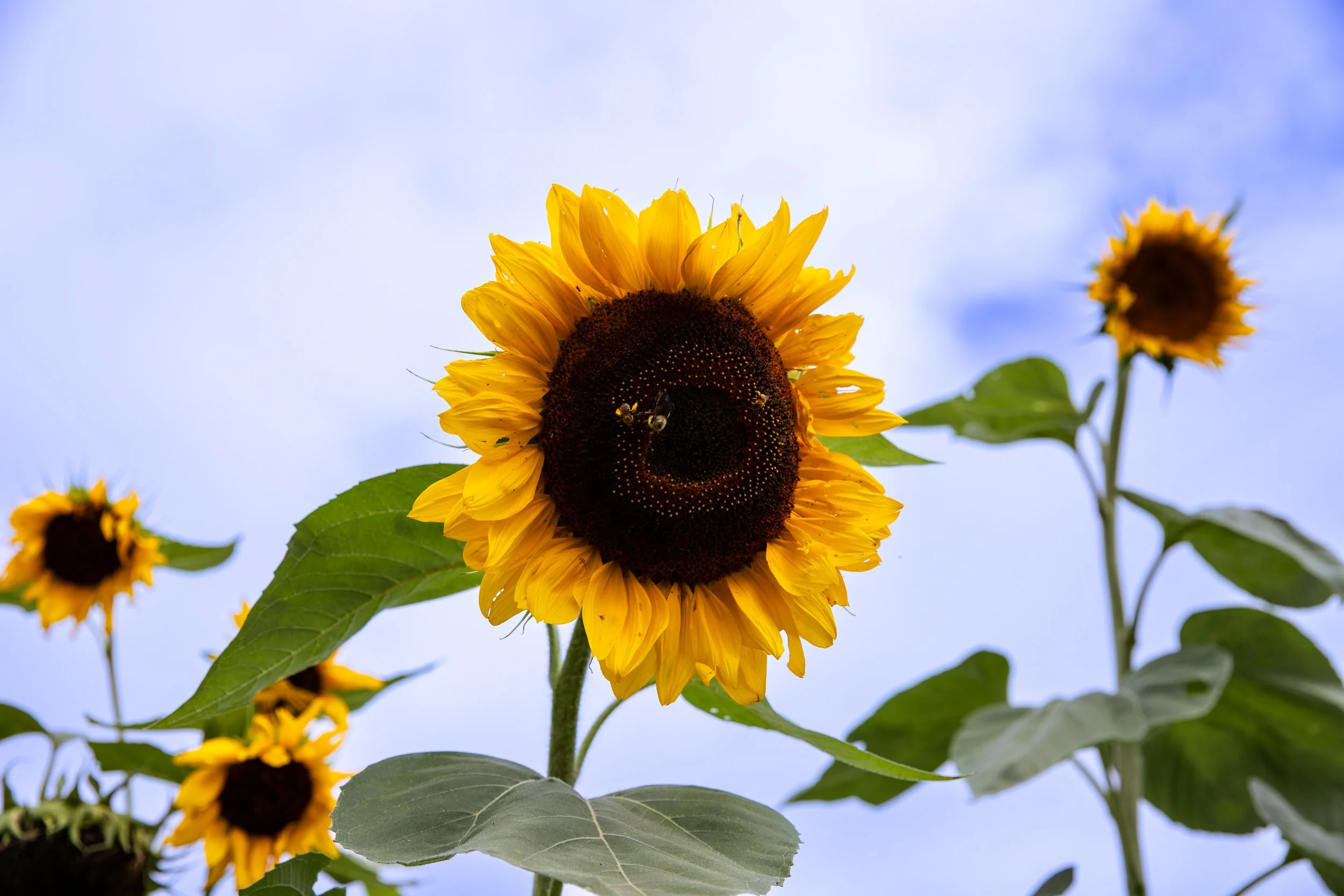
In addition to Corn, Beans, and Squash we have included Sunflower in the recordings. Sunflower is often considered a fourth sister (in some communities, seven sisters or more are recognized). In The Three Sisters Garden, we plant Sunflower around the garden perimeter where she invites pollinators into the space and helps keep the soil free of toxins so her sisters can grow healthy and strong.
Bean / Malàxkwsit / Maalashkwist
Corn / Xàskwim / Kaain
Sunflower / Òxeataès / Waahsaw
Squash / Kèskùnthàk / Mahkahkw
A Growing Season in The Three Sisters Garden
We open the growing season with a Blessing in April. During this gathering, we smudge and center ourselves, make a commitment to the garden, and say each Sister’s name in Unami Lenape and Nanticoke before sowing the first seeds of the season.
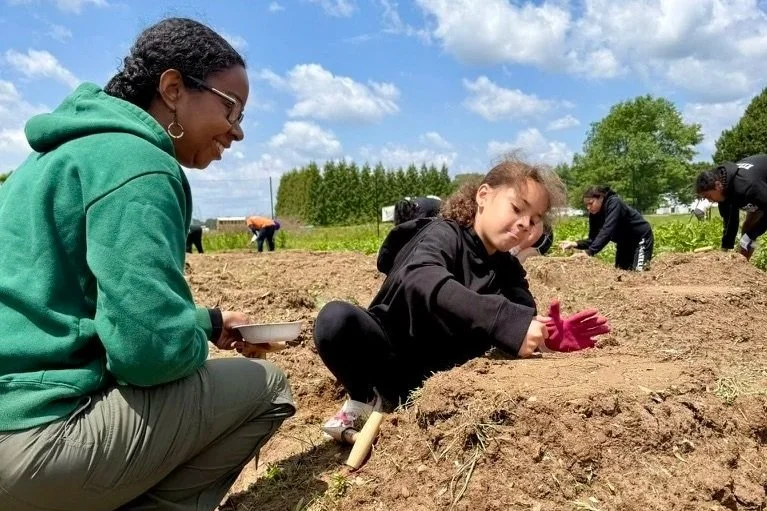
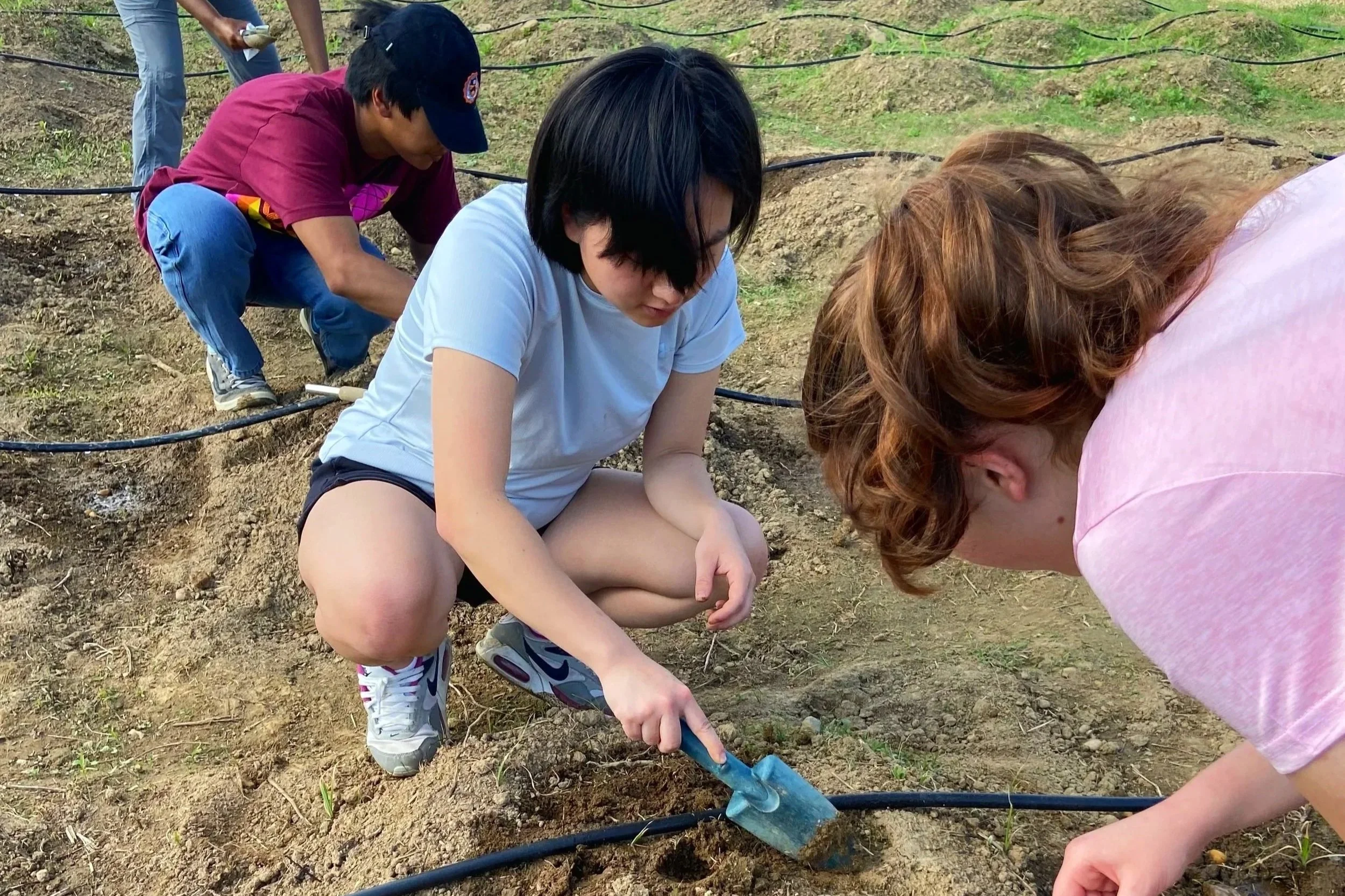
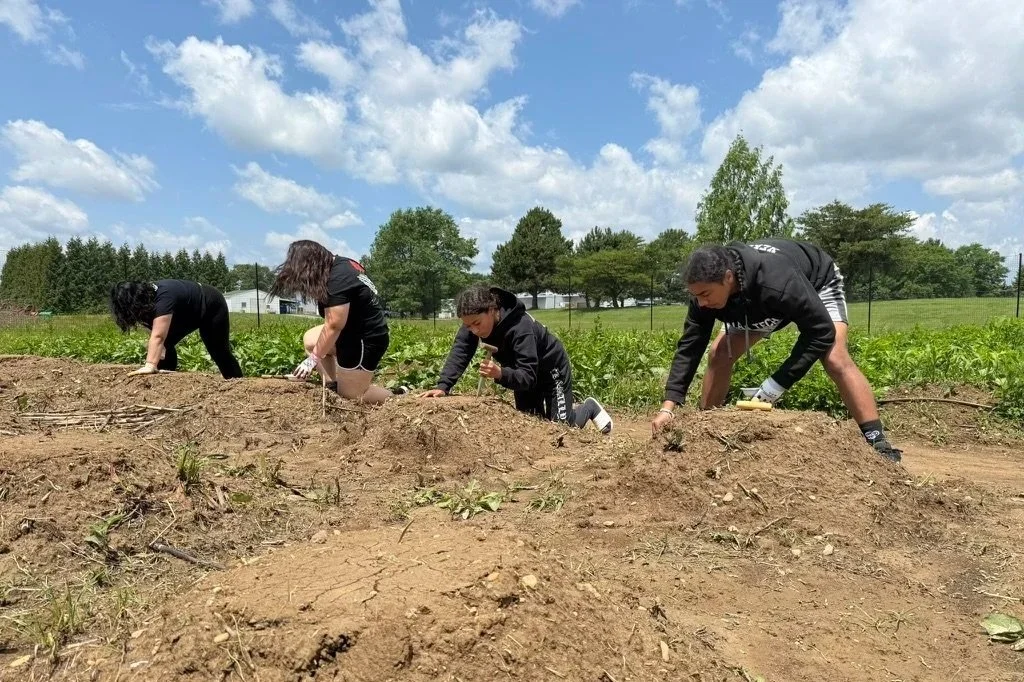
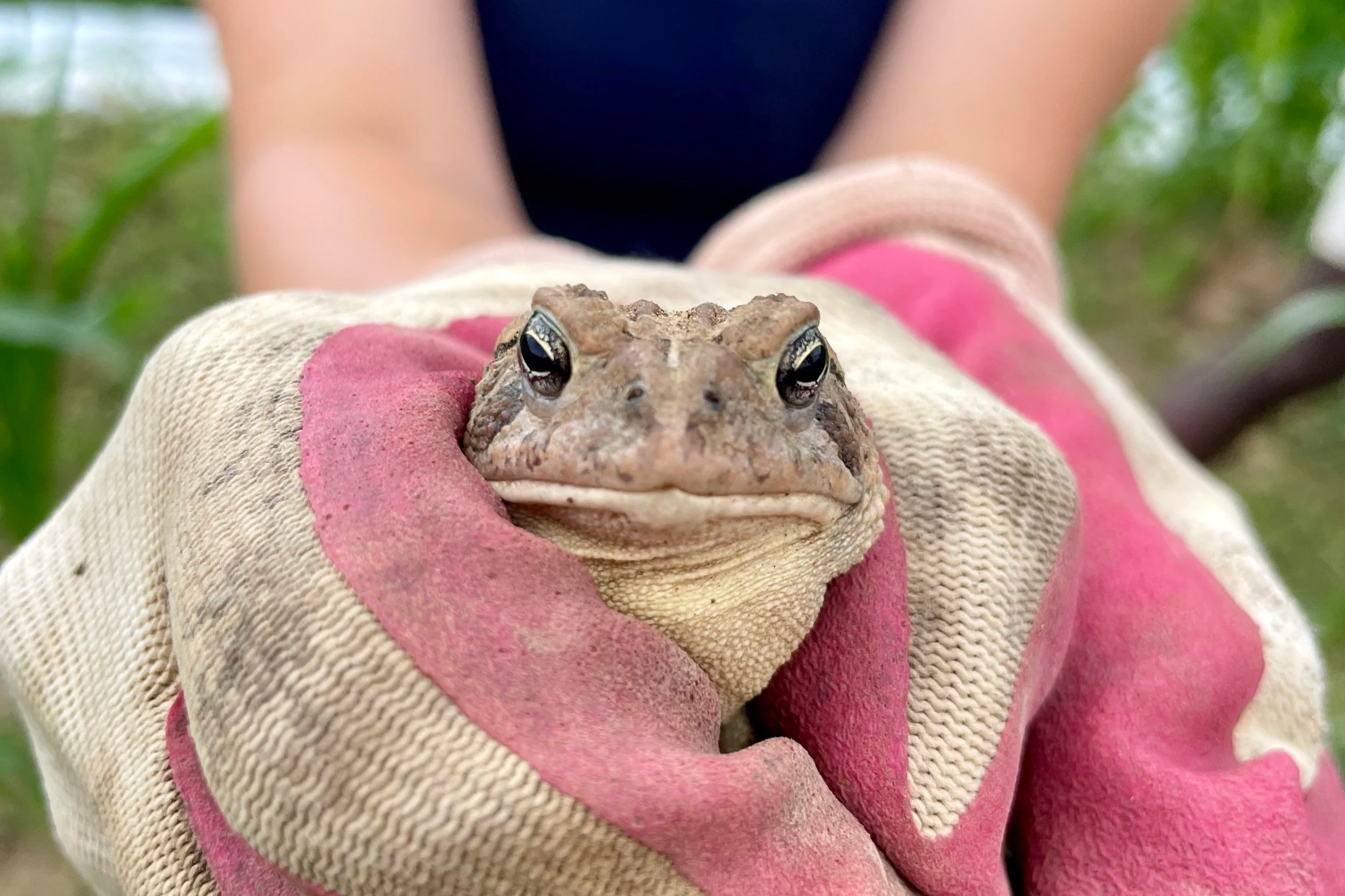
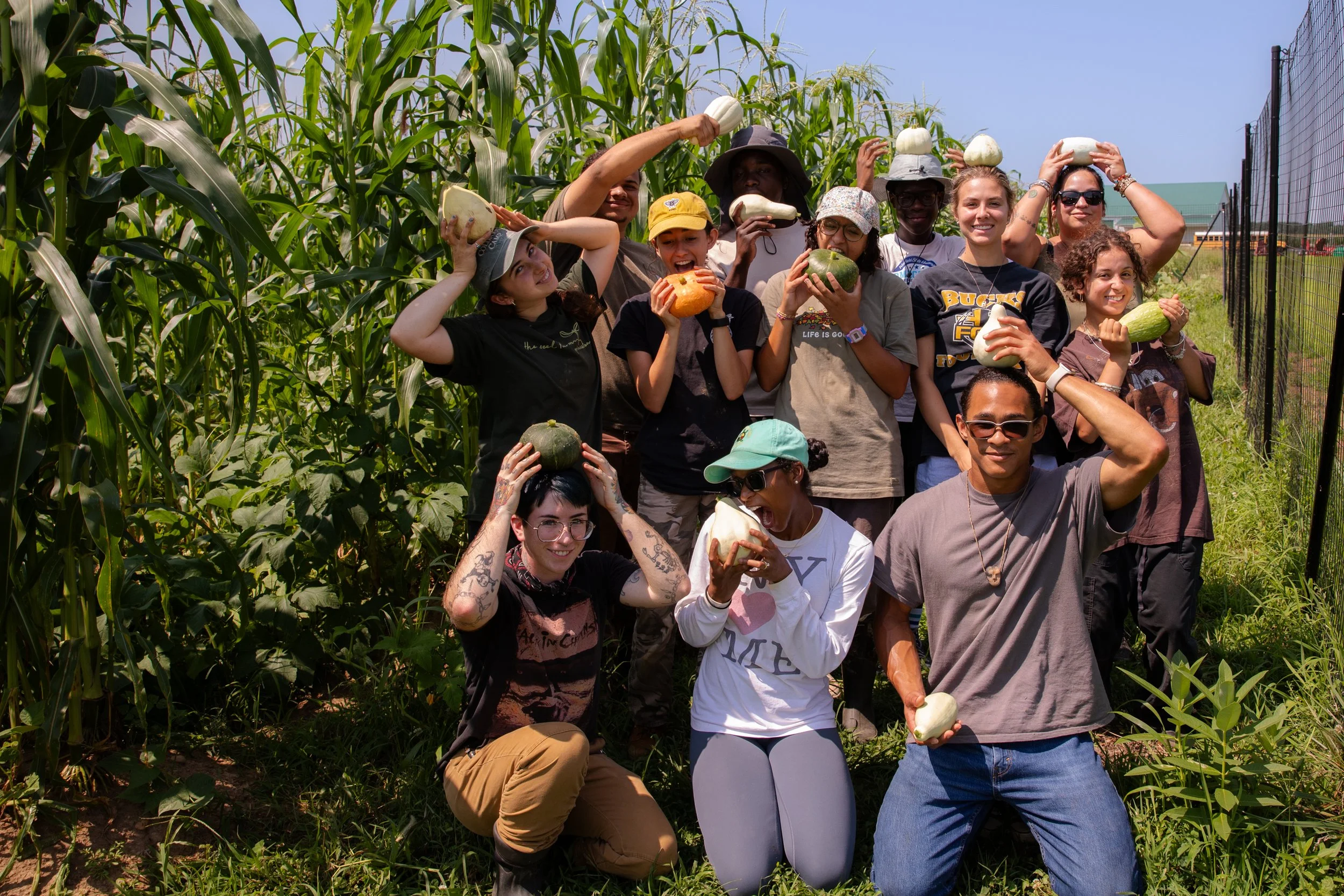
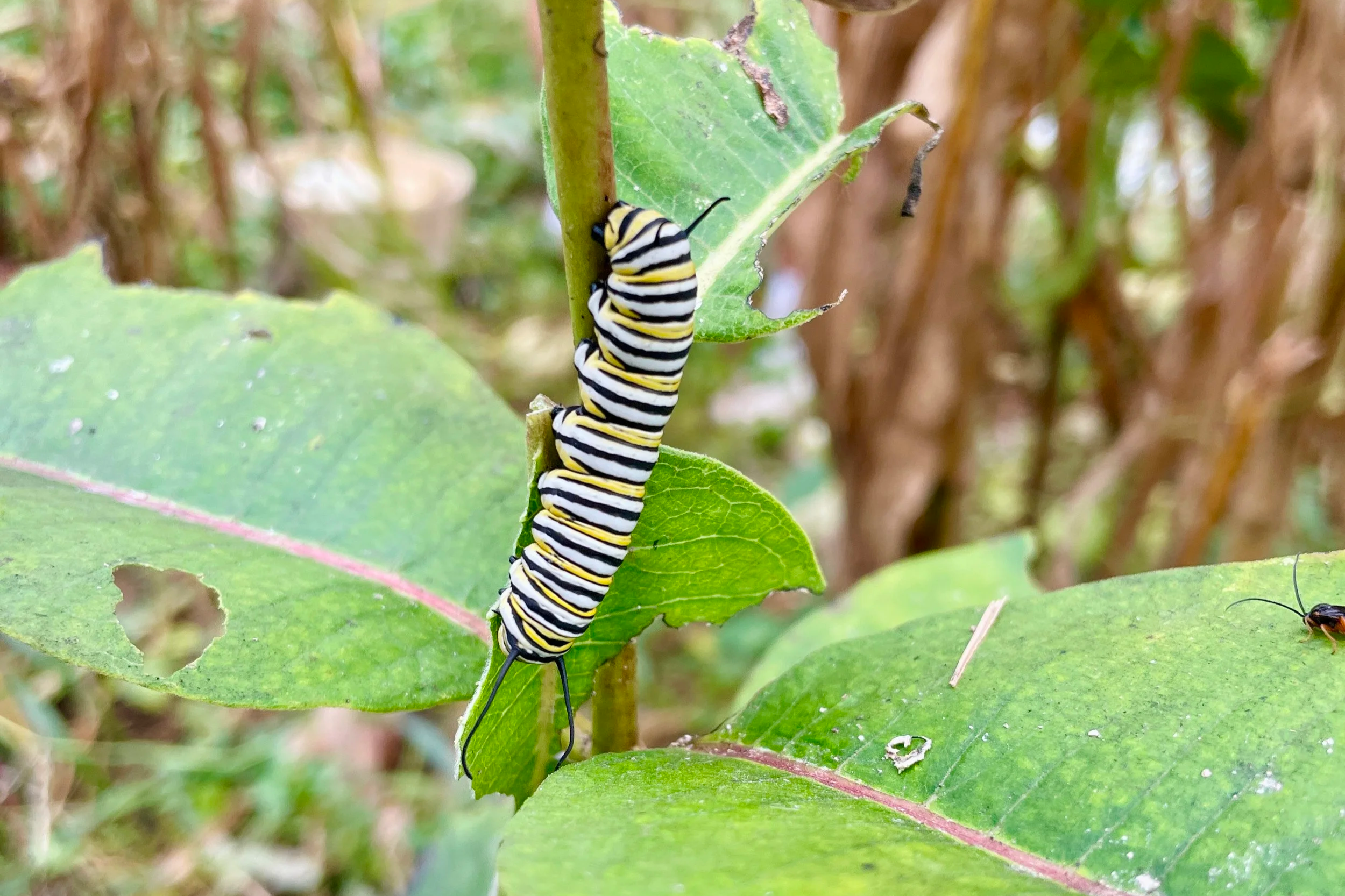
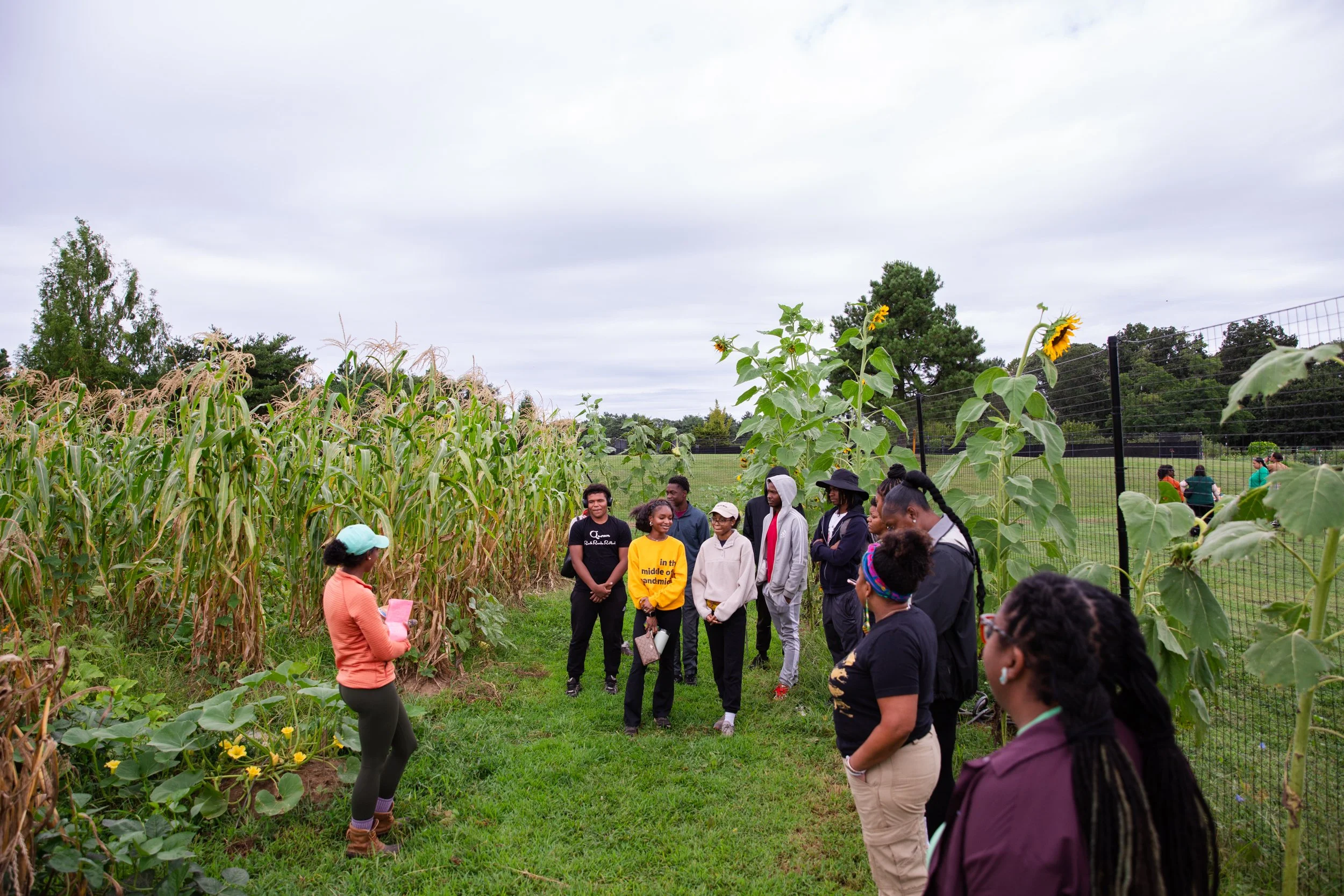
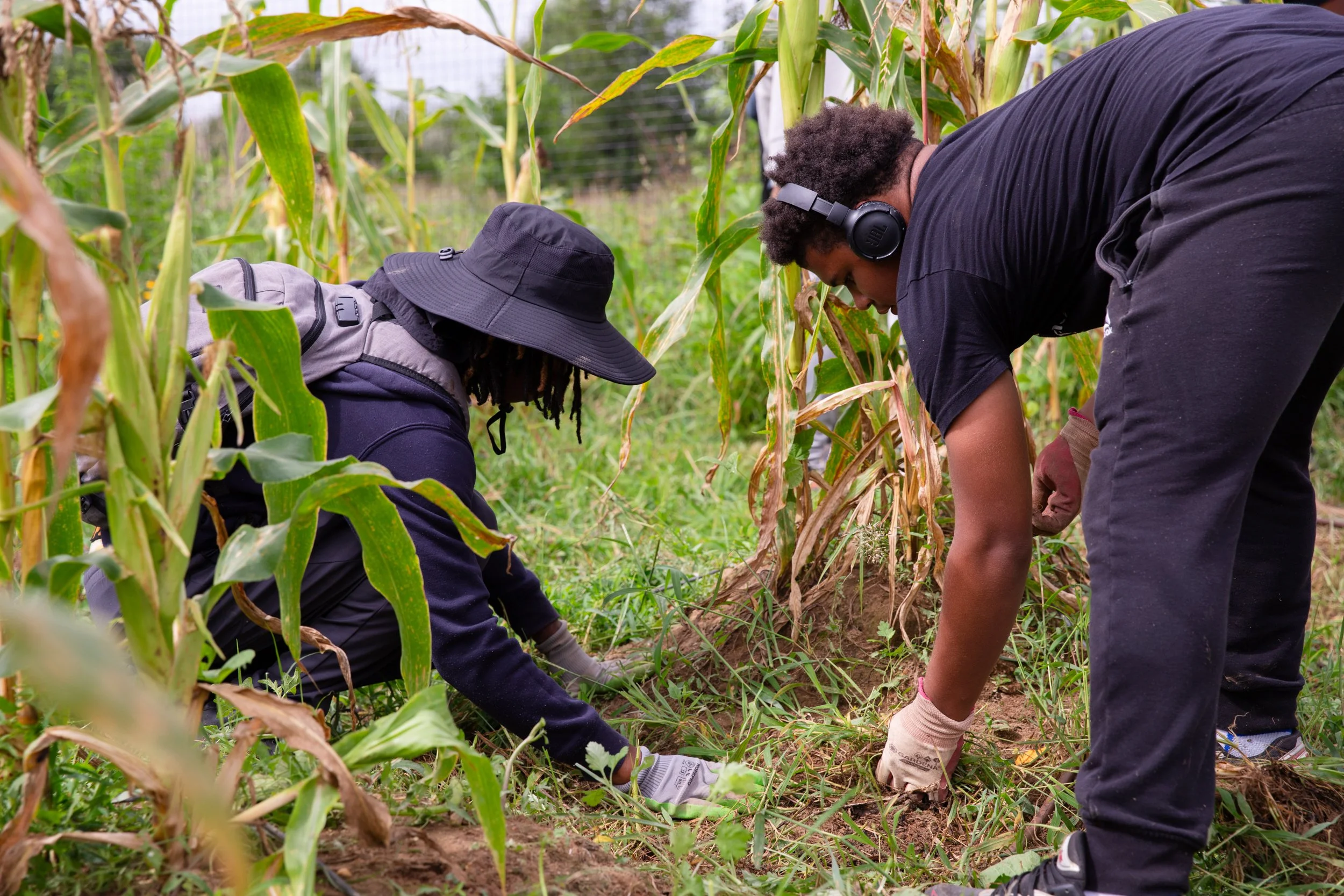
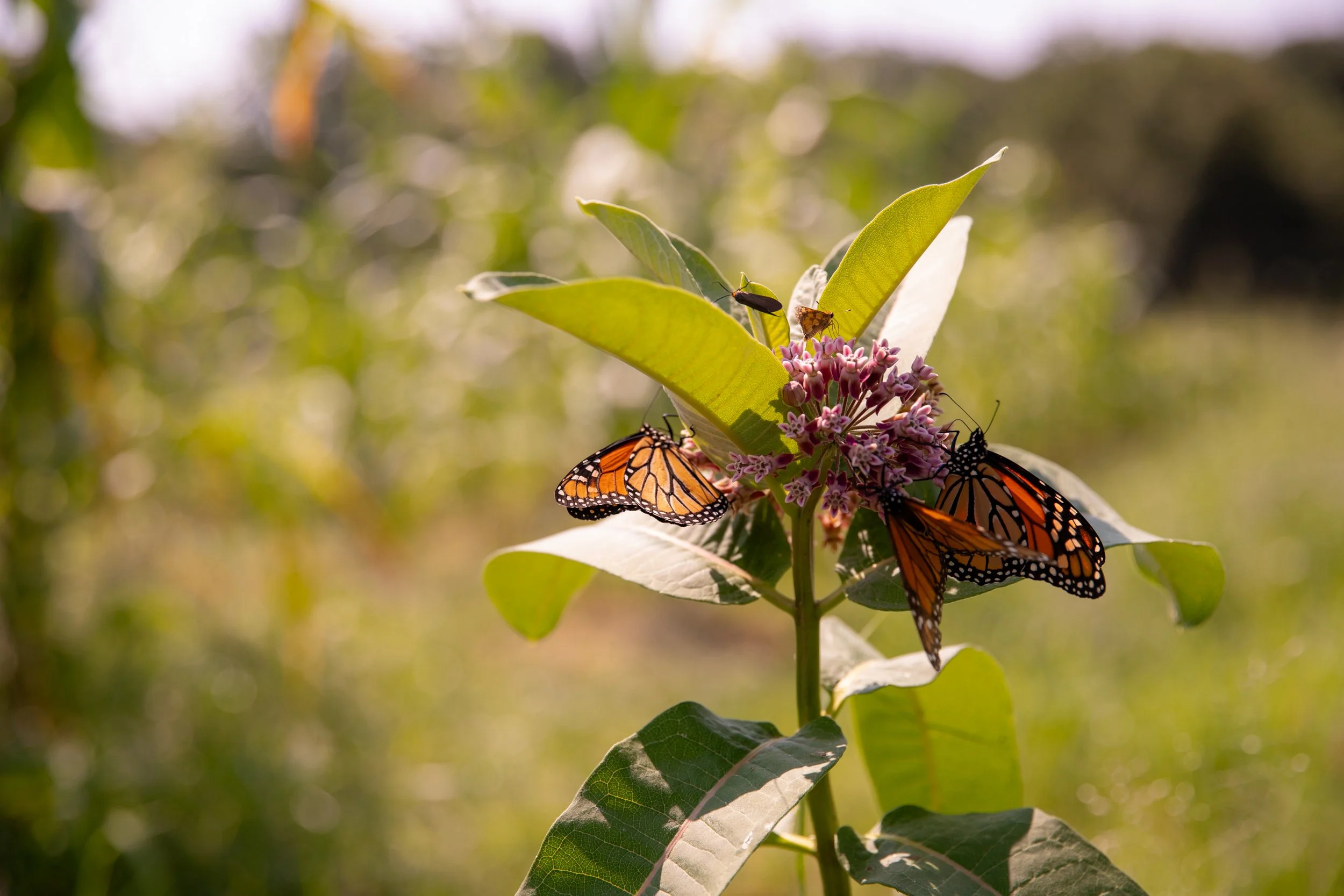
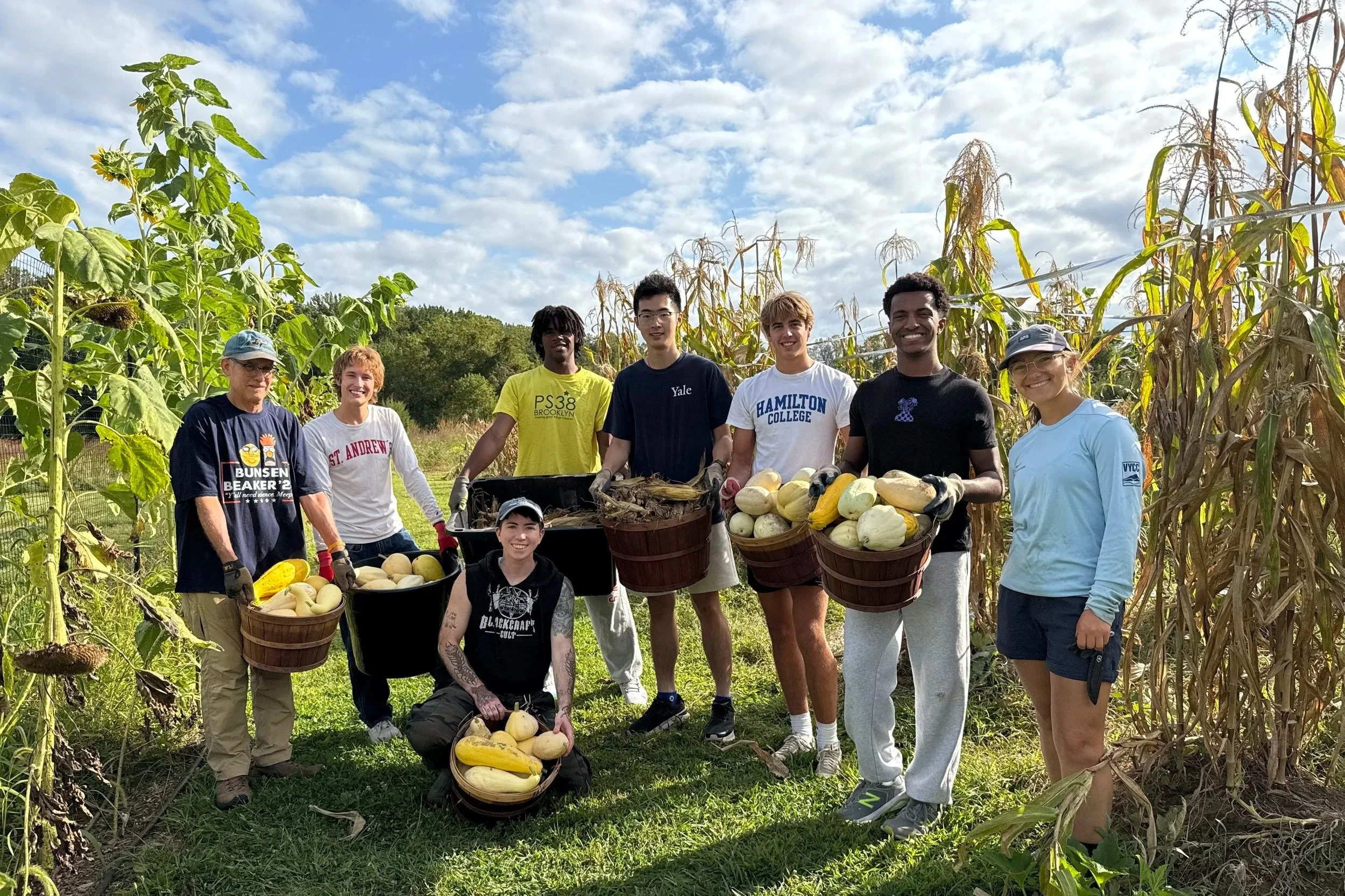
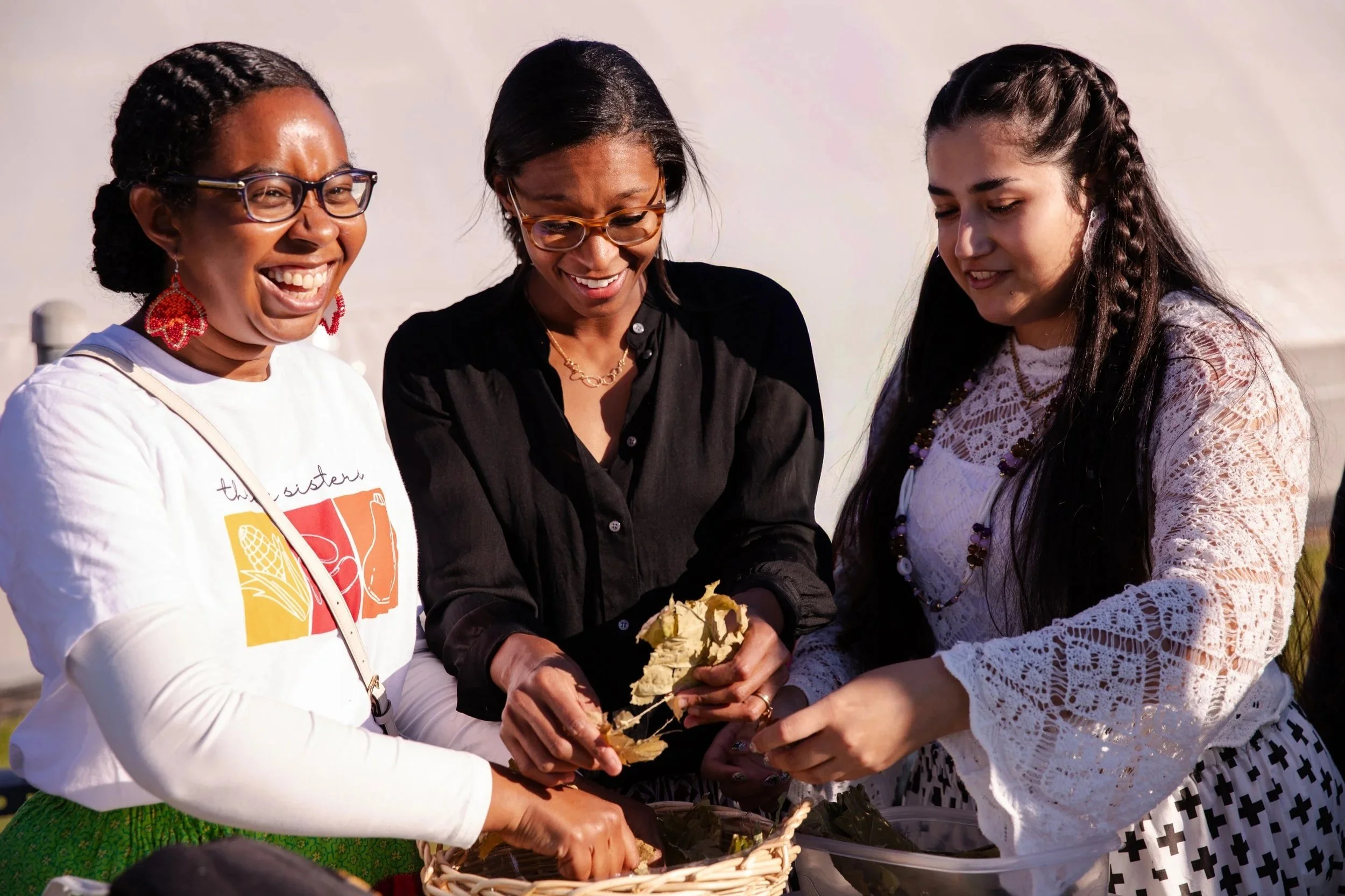
Throughout the Summer, interns and tribal members join us regularly to help maintain the garden. We spend much of our time together weeding, mulching, and appreciating the wildlife that we meet while working!
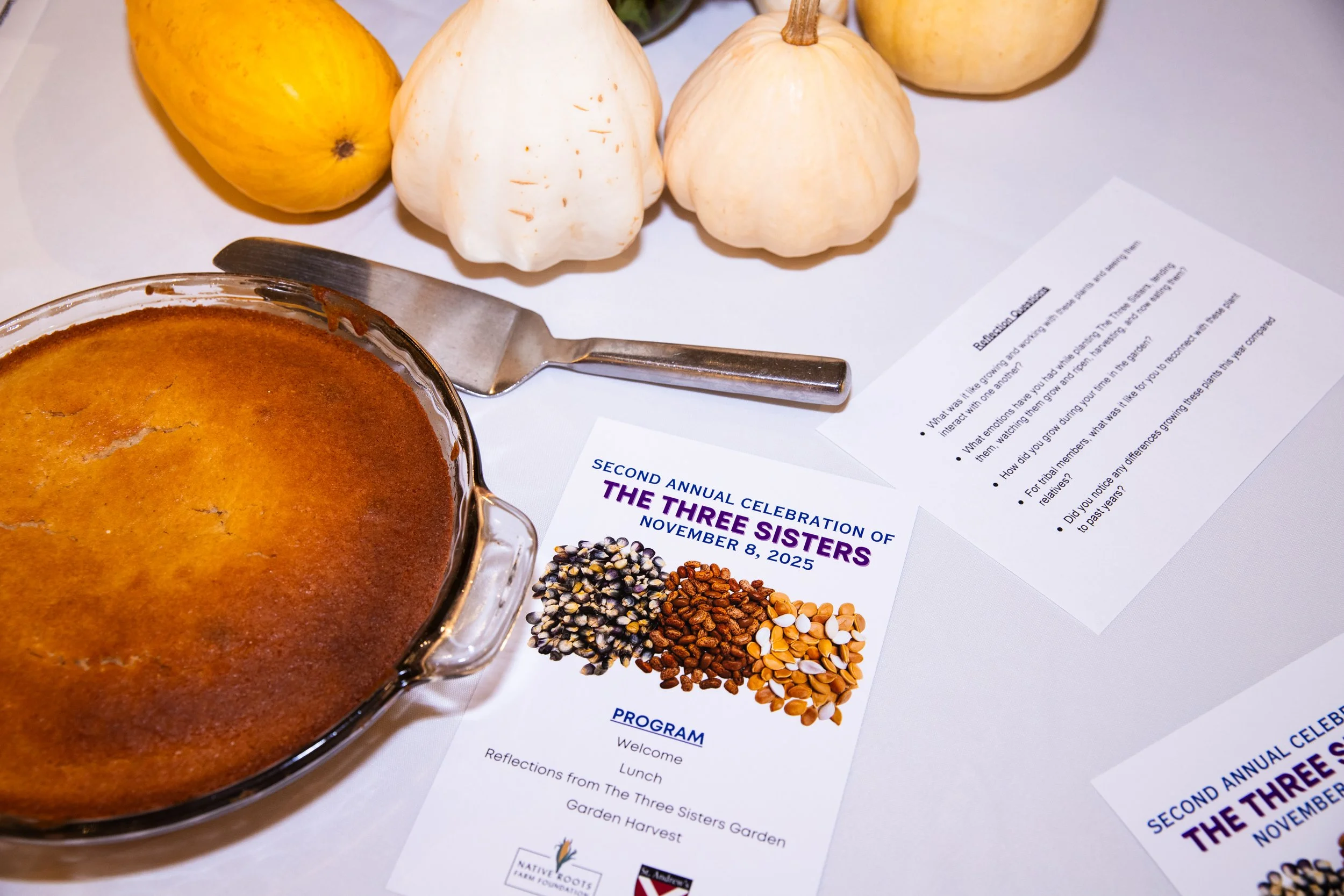
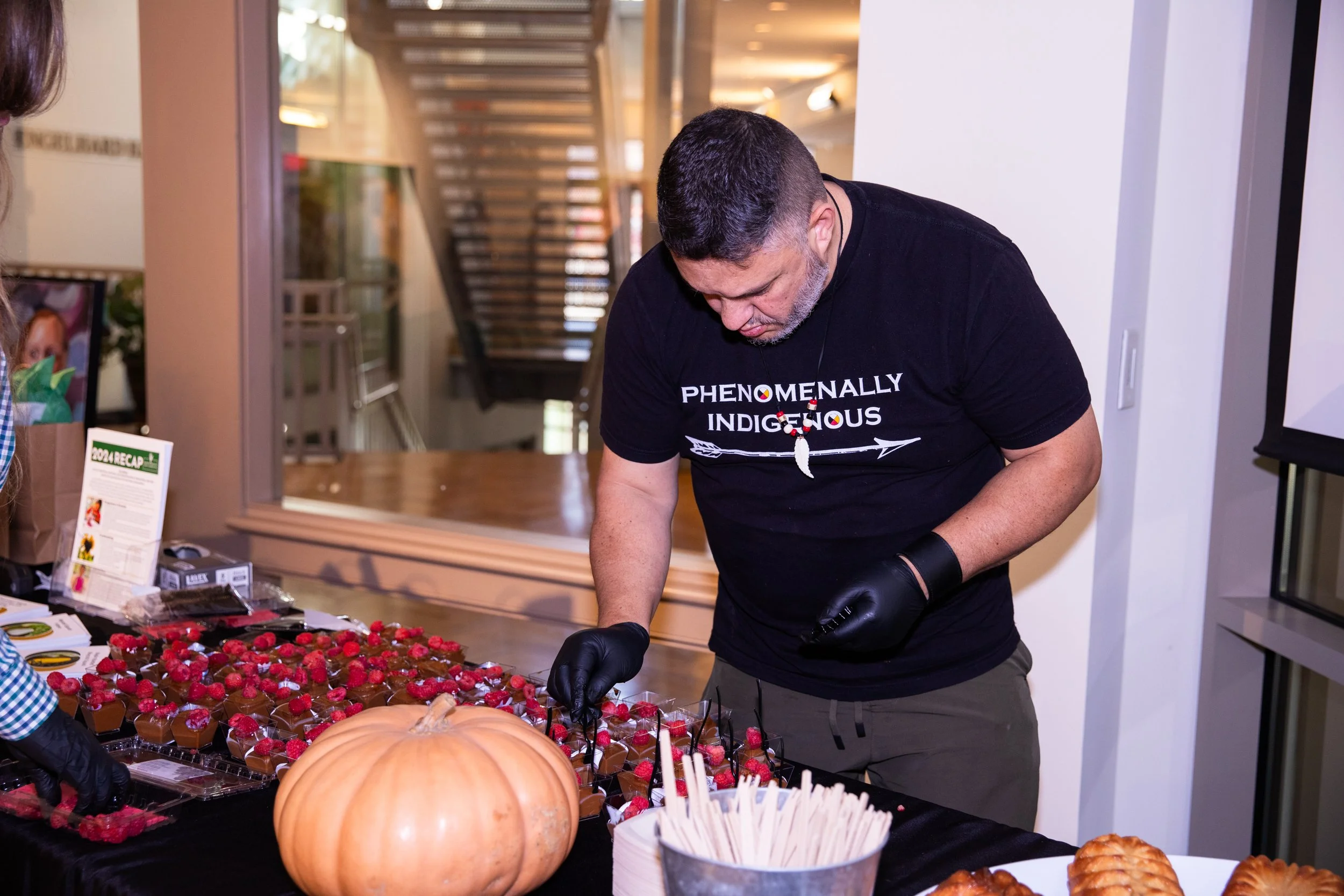
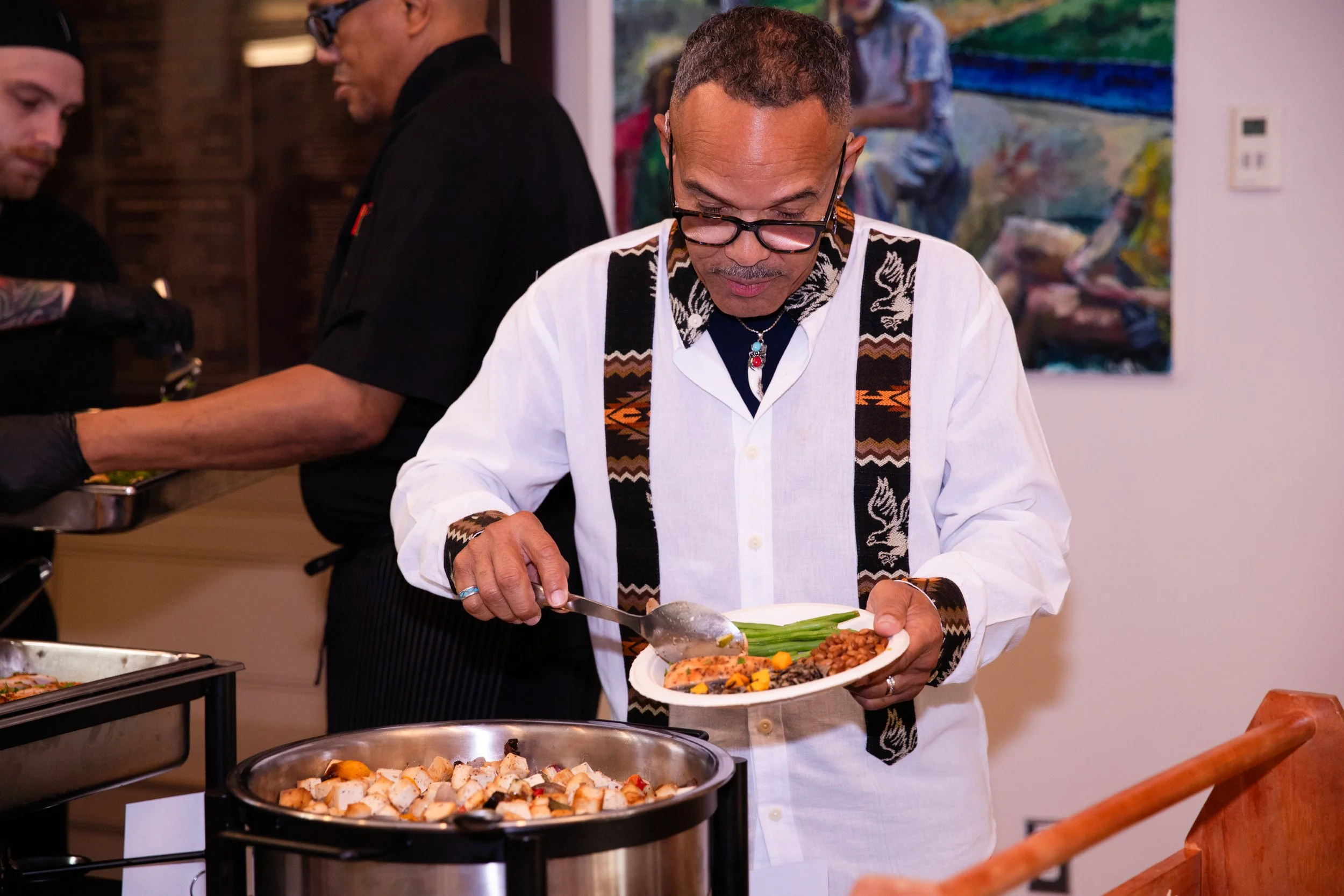
At the end of the season, we harvest the crops and share them with tribal members. We also celebrate the contributions of all beings (human and non-human) that contributed to the season by gathering for a Fall Harvest Lunch. During the meal, we savor the fruits of our labor and reflect on the season together. Finally, we set aside some of the garden harvest to save seeds for future growing seasons and to continue the lineage of these culturally meaningful plants.
Garden Programs
In addition to getting our hands in the soil together, The Three Sisters Garden allows us to connect with tribal members and the broader community through hands-on, educational programs.
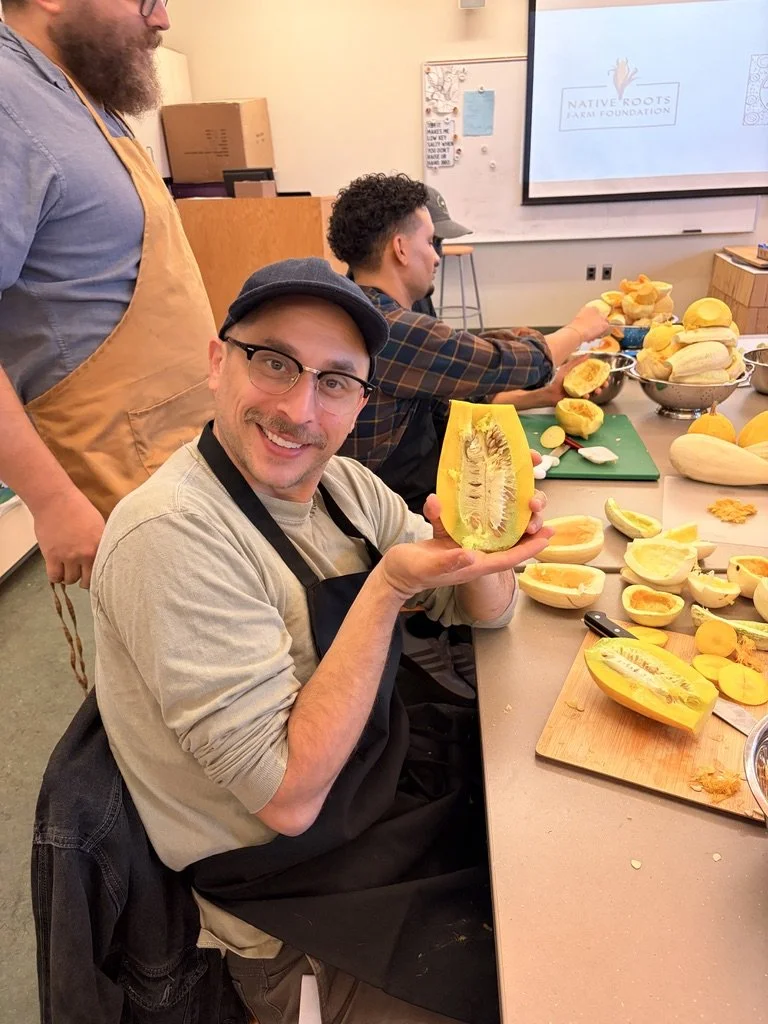
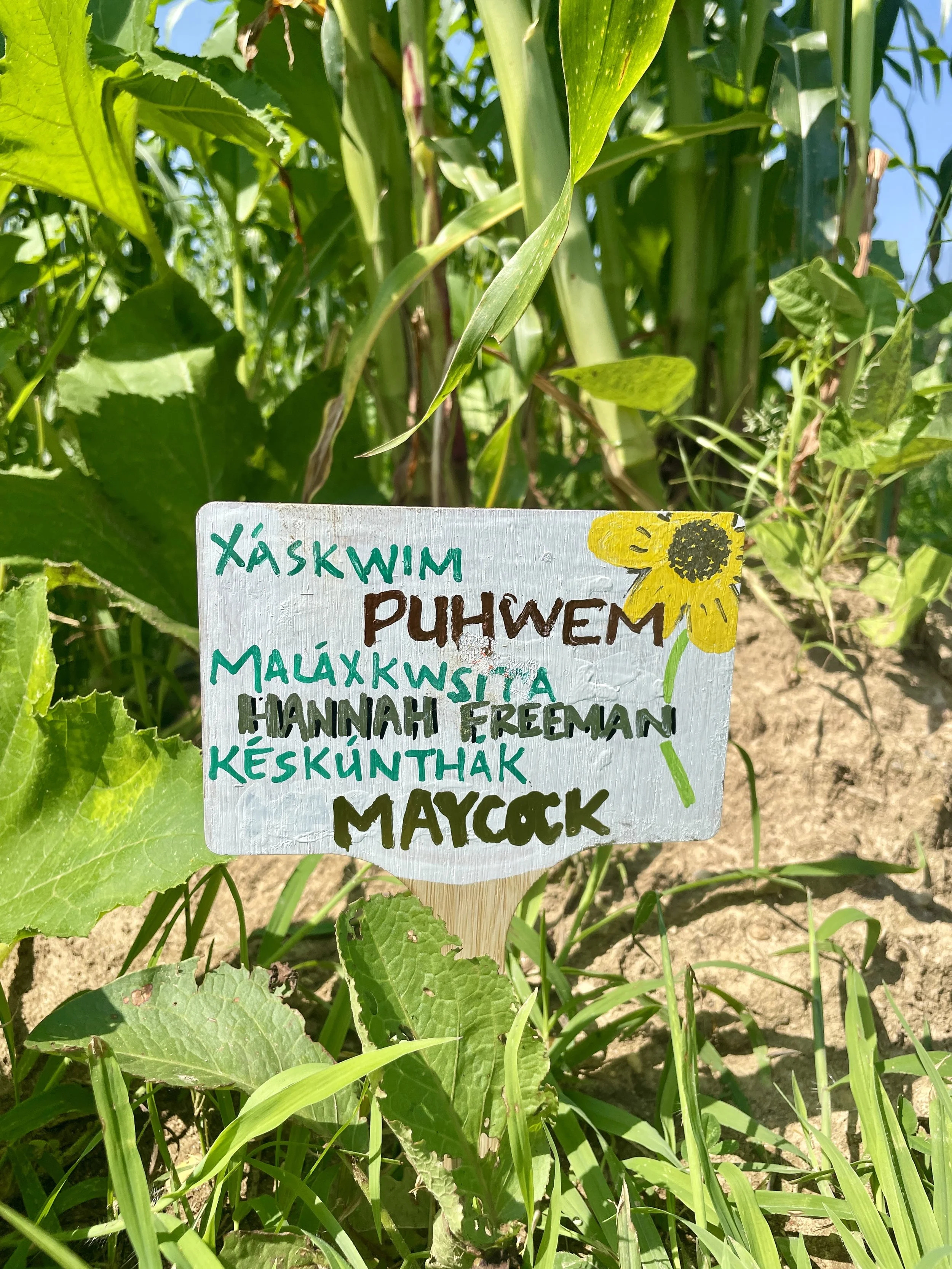
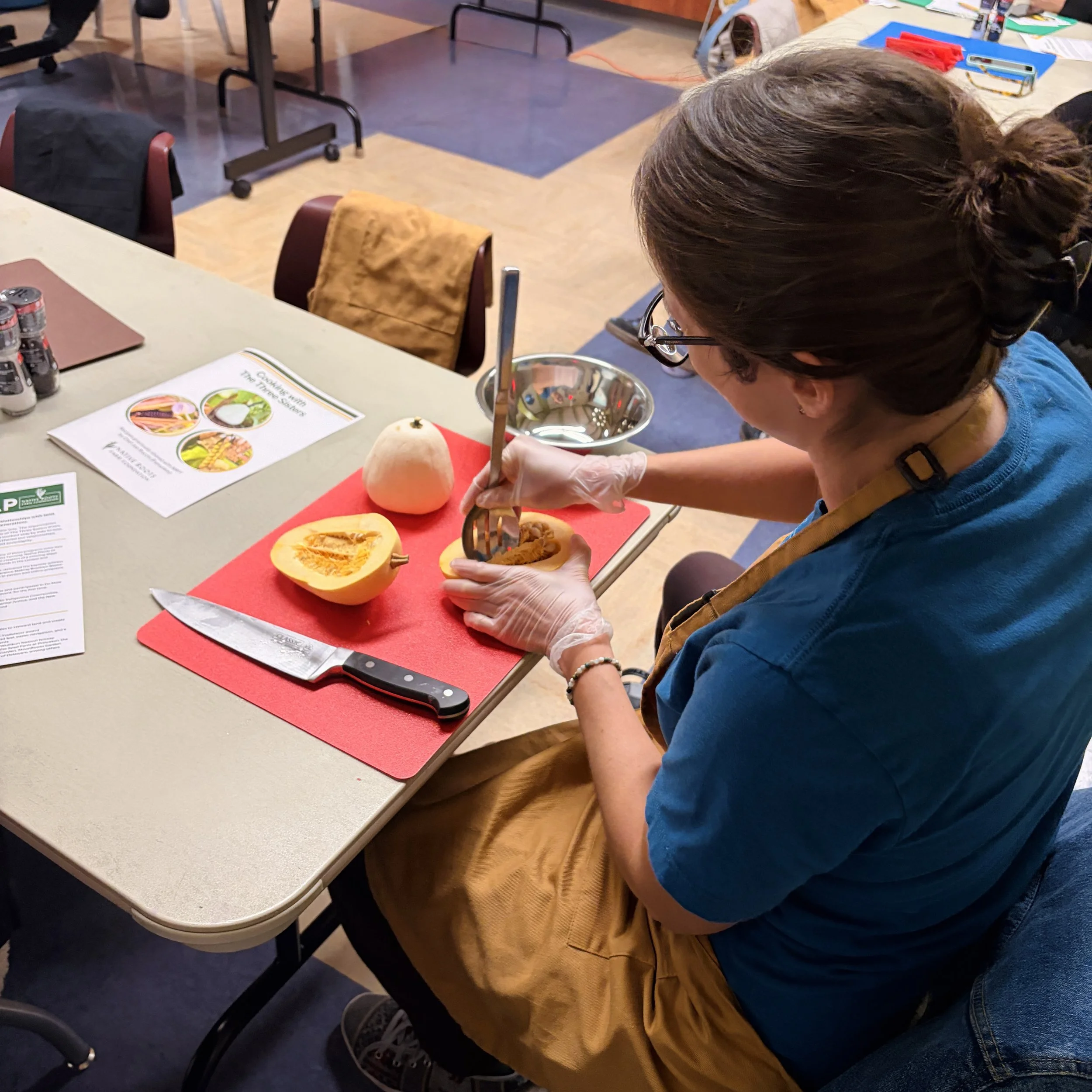
In the garden, we make plant labels identifying The Three Sisters in the Unami Lenape and Nanticoke languages. Outside of the garden, we have partnered with local organizations and individuals to lead a cooking class with The Three Sisters as well as a seed saving workshop.
Follow NRFF on Instagram and Facebook and visit our program calendar to stay up to date with how you can get involved with The Three Sisters Garden programs.
The Garden Over the Years
-
This was The Three Sisters Garden’s inaugural season, during which our partners and volunteers dedicated more than 700 hours to tending and nourishing the space together.
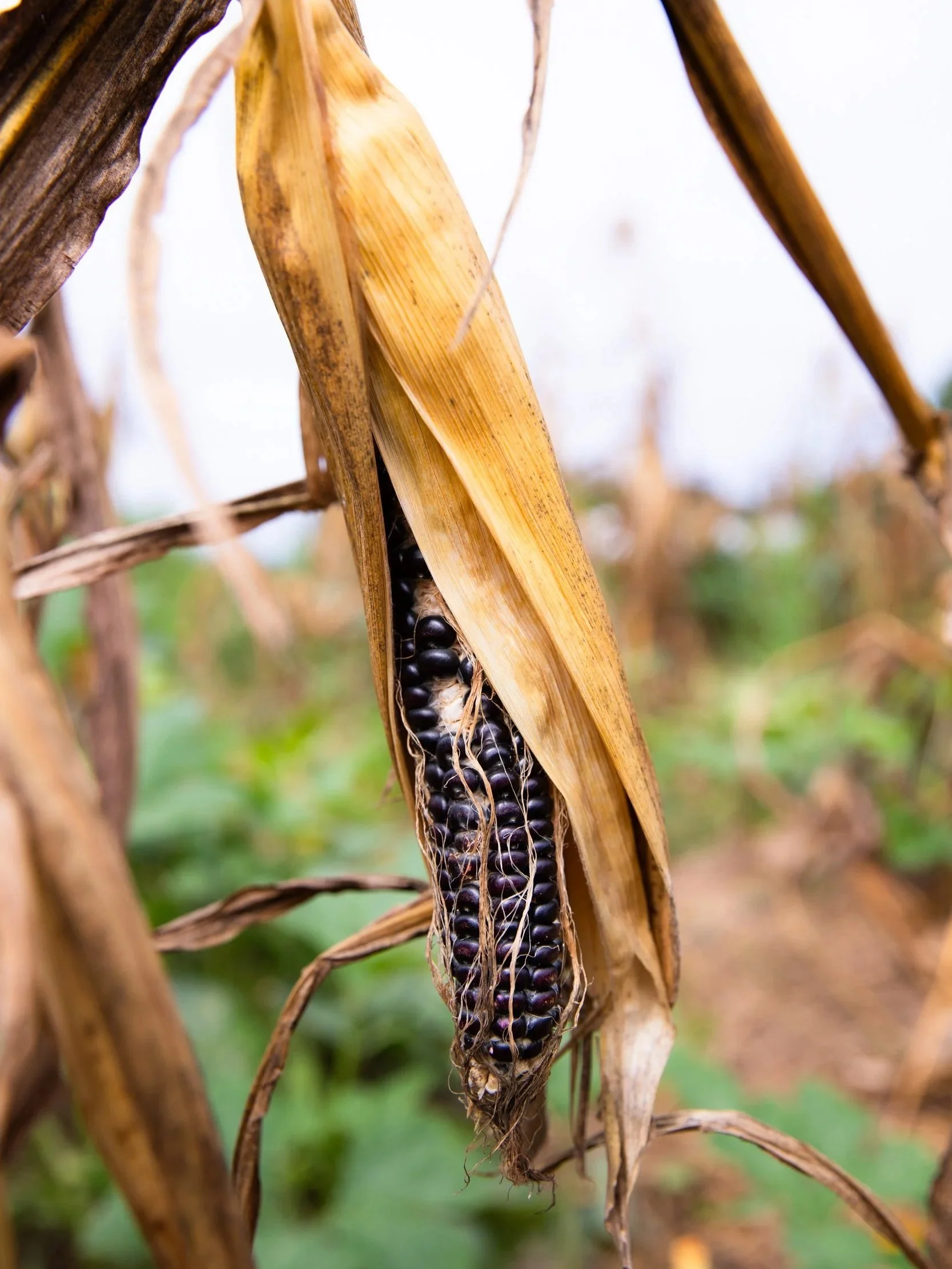
We distributed more than 125 bags of Lenape Blue Corn to tribal members!
-
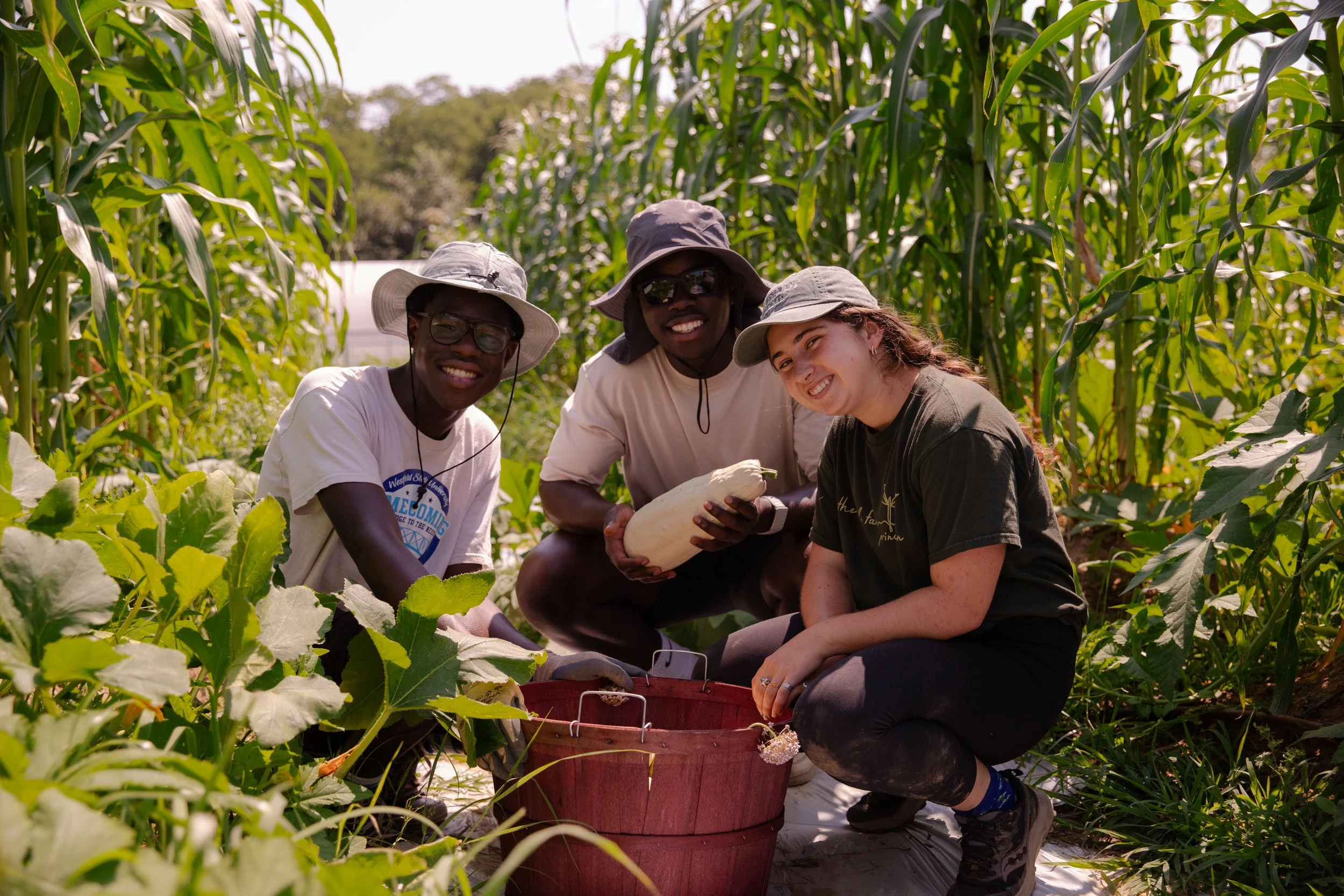
More than 140 people, including 40 Indigenous individuals, joined us in The Three Sisters Garden.
We harvested nearly 15 bushels of Maycock Squash and Nanticoke Squash. The fruits were distributed to tribal members and featured in our cooking and seed saving programs.
-
We can’t wait for you to join us in the garden!
Get Involved
If you’re interested in volunteering in The Three Sisters Garden, sign up here.
The garden thrives with the support of our community. Make a gift to keep The Three Sisters growing.